The hardest walk you will ever do is the first one. Not because of the distance or the hills, but because of the internal negotiation required to get out of the door. If you are over 50 and have been largely inactive, the voice that says 'maybe tomorrow' or 'I am probably too out of shape to start now' can feel very convincing. This guide is designed to help you answer that voice — and walk out the door anyway.
The first thing to understand is that your starting point does not matter as much as you think it does. Research published in the British Journal of Sports Medicine found that walking as little as 2,300 steps per day — roughly a 20-minute stroll — was associated with meaningful reductions in cardiovascular risk. You do not need to reach 10,000 steps on your first week. You need to start moving, consistently, and let the body adapt at its own pace.
Your first week
Before your first walk, it is worth spending five minutes on a simple assessment. Can you walk to the end of your street and back without stopping? That is your baseline. If yes, aim for 15 minutes at a comfortable pace, three times in your first week. If that feels easy, add five minutes the following week. This kind of gradual progression — known as the 10% rule, where you increase duration by no more than 10% per week — is the standard used by sports physiotherapists and is the safest way to avoid the overuse injuries that derail new walkers.
The right footwear
Footwear matters more than almost anything else. You do not need expensive trail shoes, but you do need a shoe with adequate cushioning and support, particularly if you have knee, hip, or lower back issues. Visit a reputable sports shop and ask for a gait assessment — many offer this free of charge. A well-fitted shoe can make the difference between a walk that leaves you feeling energised and one that leaves you sore.
Dressing for East Ayrshire weather
Weather in East Ayrshire requires a light waterproof layer almost year-round. The good news is that walking in light rain, once you accept rather than resist it, is genuinely pleasant. A waterproof jacket, a pair of walking trousers or leggings, and a thin merino base layer will cover most conditions. You do not need specialist gear; you need gear that you do not mind getting wet.

If you have health conditions
If you have any underlying health conditions — heart disease, diabetes, osteoarthritis, or a history of falls — speak to your GP before significantly increasing your activity level. In most cases they will actively encourage walking, but they may have specific guidance about intensity or terrain. At Vibrant Health Advocates - Polaris, our walk leaders are trained to accommodate a range of health needs, and we can work with your GP's recommendations to find a walking format that suits you.
Walk with others
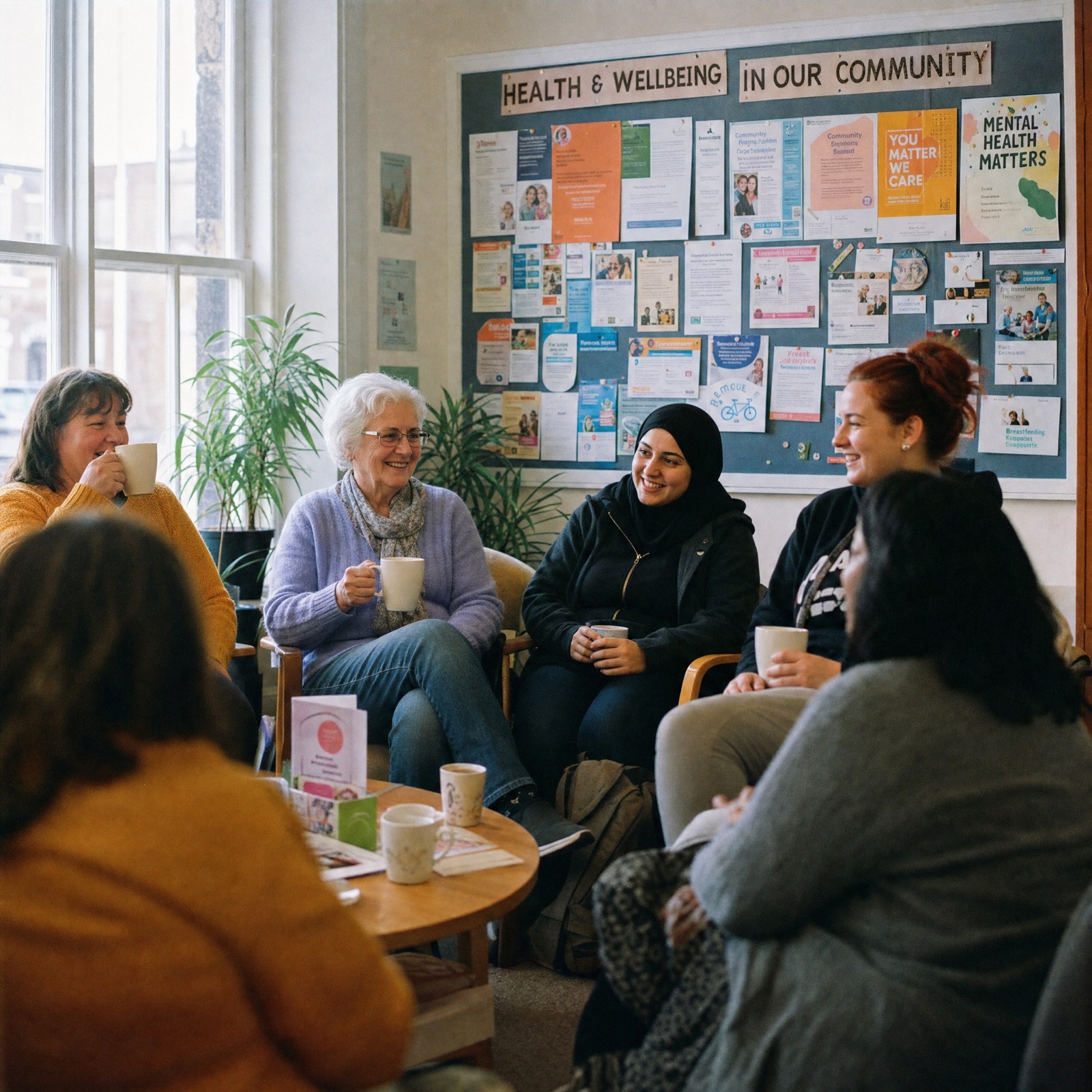
Finally, and most importantly: walk with others if you can. The evidence for group walking is significantly stronger than for solo walking, particularly for mental health outcomes. The accountability, the conversation, and the simple pleasure of shared movement make it far more likely that you will keep going. Our Polaris groups in Kilmarnock are free to join, welcoming, and specifically designed for people who are starting from scratch. The parks are waiting. We will be there on Tuesday morning.
Quick summary: your first-walk checklist
- Comfortable, supportive shoes — ideally gait-assessed
- A light waterproof jacket
- Start with 15 minutes, three times a week
- Increase by no more than 10% per week
- Talk to your GP if you have health conditions
- Walk with others whenever possible